


How to Take Suboxone Tablets
%20(1).avif)
Table of Contents
What Are Suboxone Tablets?
Suboxone tablets are used for the FDA-approved indication of opioid use disorder (OUD) to help limit cravings and symptoms of withdrawal in individuals who are dependent on opioids. In addition, Suboxone tablets are used off-label for the management of chronic pain in certain patients.
Suboxone primarily comes in two forms: strips (films) and tablets (pills). Suboxone tablets are dissolvable tablets that contain a combination of two medications: the opioids “buprenorphine” and “naloxone”. The tablets can be administered sublingually (under the tongue) or buccally (inside the cheek) where they rapidly dissolve.
Suboxone can also be taken in film/strip form, which you can learn more about there: How to Take Suboxone Strips.
Why Does Suboxone Come in Sublingual Form Instead of as a Pill That Is Swallowed?
Buprenorphine/naloxone (Suboxone) is best absorbed under the tongue or sometimes inside the cheek because it is more “bioavailable” this way. This means that more of the medication can enter the system by dissolving through the skin of the mouth than it can by being digested in our very acidic stomachs.
Because most patients are used to swallowing pills, starting to take a sublingual film or tablet can take some getting used to. This article will walk you through exactly how to administer a Suboxone tablet.
Suboxone Film vs. Tablets
The two forms of buprenorphine/naloxone (Suboxone), strips (films) and tablets, both work equally well to treat opioid use disorder. Oftentimes, a patient will receive either the strip or the tablet depending on what their local pharmacy has available or what their insurance plan will cover.
The strips are probably the most common form available and are usually what patients start with. There are some subtle differences. Some patients feel that either the strips or tablets have a less bitter taste and might prefer one over the other for that reason.
On average, the tablets take slightly longer to dissolve than the strips. However, both formulations work equally well when administered properly. If you have tried one or the other and prefer to try a different formulation, talk to your doctor.
How Do I Take Suboxone Tablets?

Buprenorphine/naloxone (Suboxone) tablets are displayed in the image above. The number 2 represents “2 mg”, but they also come in larger doses of 8 or even 12 mg.
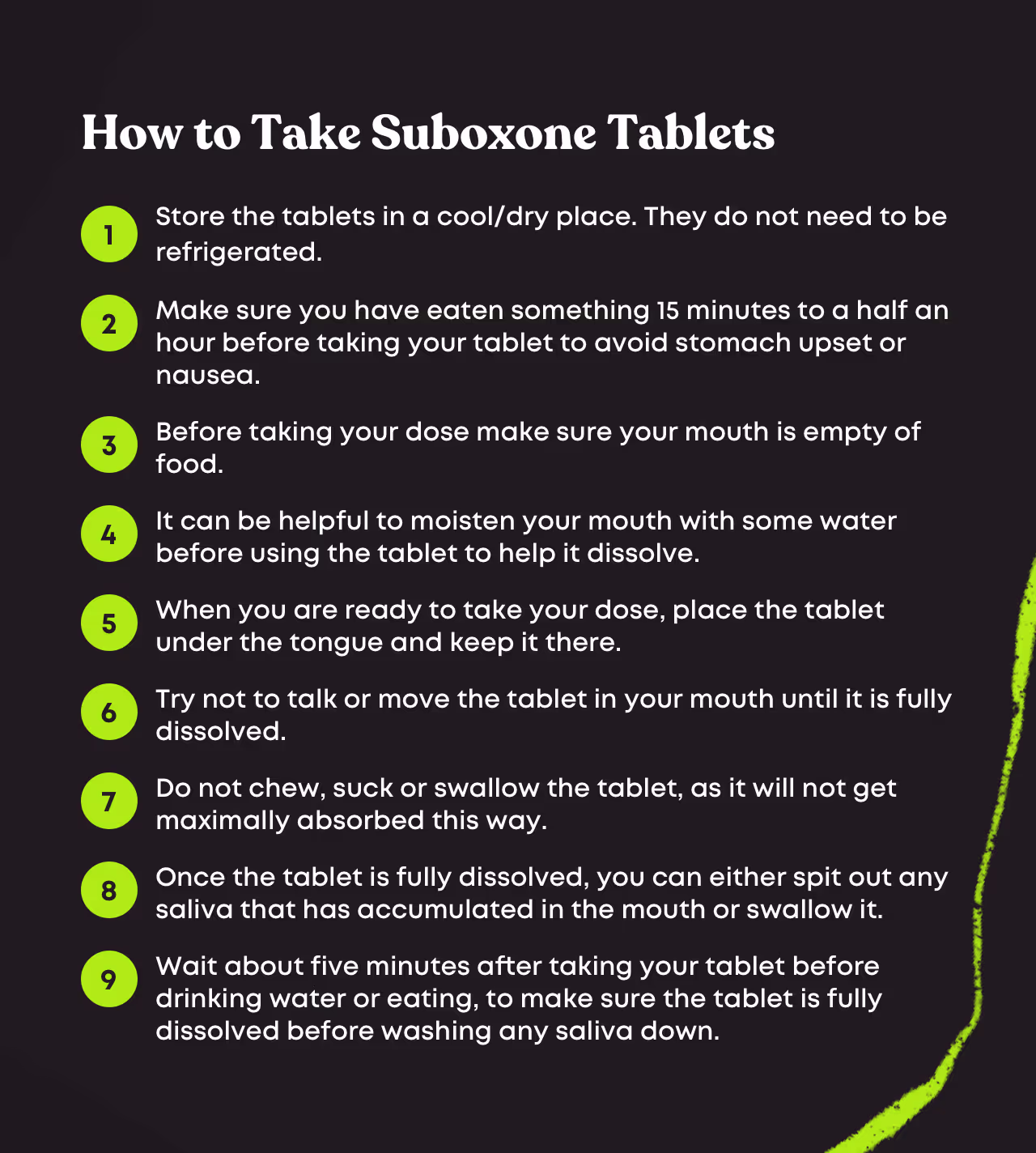
- Store the tablets in a cool/dry place. They do not need to be refrigerated.
- Make sure you have eaten something fifteen minutes to a half an hour before taking your tablet, particularly when you are first starting buprenorphine/naloxone (Suboxone). This is to avoid any stomach upset or nausea.
- Before taking your dose make sure your mouth is empty of food.
- It can be helpful to moisten your mouth with some water before using the tablet to help it dissolve.
- When you are ready to take your dose, place the tablet under the tongue and keep it there.
- Try not to talk or move the tablet in your mouth until it is fully dissolved. This takes anywhere from two to five minutes on average. The tablet form of buprenorphine/naloxone (Suboxone) can take slightly longer than the strip form to fully dissolve.
- Do not chew, suck or swallow the tablet, as it will not get maximally absorbed this way.
- Once the tablet is fully dissolved, you can either spit out any saliva that has accumulated in the mouth or swallow it. Some people prefer to spit out the saliva because they dislike the taste. However, if you are going to do this, make sure you do so after the tablet itself is fully dissolved and only saliva remains.
- Buprenorphine/naloxone (Suboxone) can have a minty/sour taste that can be bothersome, at least at first. Most people quickly get used to the taste.
- Wait about five minutes after taking your tablet before drinking water or eating, to make sure the tablet is fully dissolved before washing any saliva down.
- The effects of the buprenorphine/naloxone (Suboxone) usually start within 10 to 30 minutes of taking the tablet.
Click here for more guidance on taking buprenorphine/naloxone (Suboxone) tablets.
Suboxone Tablet Dosage
Buprenorphine/naloxone (Suboxone) tablets come in different doses. The smallest tablets are usually 2 mg and the largest is usually 12 mg. The actual size of the tablets is the same, but the higher dose tablets contain more medicine.
Side Effects of Suboxone Tablets
One of the more common side effects of buprenorphine/naloxone (Suboxone) is nausea, particularly at first. This side effect tends to go away with continued administration of the medication as the body gets used to it.
It can also cause some dizziness or euphoria. However, this is less common in patients who are used to opioids already. If these symptoms do occur, they may last anywhere from a few minutes to a few hours until the medication wears off.
Opioids in general, including buprenorphine/naloxone (Suboxone), can cause constipation. This can be a more chronic problem.
If you are experiencing any undesirable side effects with buprenorphine/naloxone (Suboxone), particularly at first – don’t panic! Many of these side effects go away quickly as your body gets used to the medicine over the first couple of days. If any side effects you experience are persisting, talk to your doctor. There are other medications and tips/tricks for minimizing any undesirable side effects.
How Soon Can You Eat & Drink After Taking Suboxone?
Suboxone tablets are designed to deliver your medication through your mucous membranes. Food and drink can interrupt this process, so getting the timing right is critical.
Suboxone tablets dissolve when in contact with saliva, but it can take up to 30 minutes for the entire pill to fade away. Don’t rush the process by chewing your tablets or swallowing them whole. Just wait.[1]
When your whole tablet is gone, wait another 30 minutes before you eat or drink anything.[1] Set a timer to help you remember if that’s helpful. The longer you wait, the more likely the medication will work properly.
Your doctor should tell you about food/drink interactions. Some foods and beverages just aren’t safe while you’re using Suboxone tablets, no matter when you take them. These are a few substances to avoid:
- Alcohol: Suboxone is a depressant drug, capable of slowing breathing and heart rates. Alcohol is similar.
Combining them can mean overwhelming your body’s system, and you can experience severe dizziness, lightheadedness, or respiratory distress.[2] Avoid all alcoholic beverages while using this medication. - Grapefruit and grapefruit juice: Grapefruit can change the way your body processes medications. More of your dose could enter your body, and it could persist for too long.[3]
Don’t drink grapefruit juice or eat the fruit while you’re using Suboxone. - Herbal remedies: Some herbs can interact with Suboxone and produce unpleasant side effects. If you typically drink medicinal-grade herbal tea or take supplements, talk with your doctor. You may need to mix up your routine to stay safe.
In general, your Suboxone therapy should fit into your lifestyle easily. But if you have any questions about timing or your diet, talk with your doctor.
Suboxone Tablet Side Effects
Many people feel sleepy and unfocused when they start taking Suboxone. As you adjust to your dose, those sensations should fade.
Other common side effects include the following:[4]
- Back pain
- Blurred vision
- Constipation
- Headaches
- Insomnia
- Numbness in your mouth
- Stomach pain
- Tongue pain
If these symptoms are severe or don’t get better with time, talk to your doctor.
Serious side effects are rare, but if they appear, you should tell your doctor right away. They include the following:[4]
- Signs of an allergic reaction, such as hives, difficulty breathing, or throat swelling
- Mental health challenges, including agitation, hallucination, or confusion
- Nausea or vomiting
- Sexual changes, such as increased sex drive, inability to get an erection, or irregular menstruation
- Unusual bleeding or bruising
- Signs of liver damage, including dark-colored urine, light-colored stools, or pain in your upper right side
These issues aren’t common, and you probably won’t deal with them while taking Suboxone. But if you do, talk with your doctor right away.
How Long Does It Take to Adjust to Suboxone?
It typically takes four days to find the right Suboxone dose.[5] You may need a few more days to get accustomed to taking your medication and understanding how it makes you feel.
These tips can make your adjustment easier:
1. Develop a Routine
Take your Suboxone at the same time each day. Set up a reminder on your phone, so you won’t forget. And use timers to ensure you don’t eat or drink too close to your dose.
2. Soothe Yourself During Treatment
Suboxone doses require waiting. Use this time to calm your body and mind. Treat yourself to a cup of tea or some meditative breathing. Listen to your favorite music. Or just soak up the sunshine. Reward yourself with some quiet time as you prioritize your recovery.
3. Don’t talk while the tablet is dissolving
Talking can interfere with how Suboxone dissolves. Try not to talk while you take your dose so that it can properly dissolve
Is Suboxone Treatment Right for You?
If you think buprenorphine/naloxone (Suboxone) might be right for you, please reach out to our Bicycle Health online Suboxone doctors. We are standing by to answer all your questions. Call us at (844) 943-2514 or schedule an appointment here.
- Dose
Elena Hill, MD, MPH
Elena Hill, MD; MPH received her MD and Masters of Public Health degrees at Tufts Medical School and completed her family medicine residency at Boston Medical Center. She is currently an attending physician at Bronxcare Health Systems in the Bronx, NY where she works as a primary care physician as well as part time in pain management and integrated health. Her clinical interests include underserved health care, chronic pain and integrated/alternative health.
Sources
- Emergency Department Buprenorphine/Naloxone (Suboxone): Home Dosing Information. My Health Alberta. https://myhealth.alberta.ca/health/AfterCareInformation/pages/conditions.aspx?hwid=custom.ab_suboxone_homedosing_ac_adult. March 2021. Accessed June 2022.
- Buprenorphine/Naloxone (Suboxone). National Alliance on Mental Illness. https://www.nami.org/About-Mental-Illness/Treatments/Mental-Health-Medications/Types-of-Medication/Buprenorphine/Buprenorphine-Naloxone-(Suboxone). January 2021. Accessed June 2022.
- Grapefruit Juice and Some Drugs Don't Mix. U.S. Food and Drug Administration. https://www.fda.gov/consumers/consumer-updates/grapefruit-juice-and-some-drugs-dont-mix. July 2021. Accessed June 2022.
- Buprenorphine Sublingual and Buccal (Opioid Dependence). National Library of Medicine. https://medlineplus.gov/druginfo/meds/a605002.html. January 2022. Accessed June 2022.
- A Patient's Guide to Starting Buprenorphine at Home. It Matters. https://www.asam.org/docs/default-source/education-docs/unobserved-home-induction-patient-guide.pdf?sfvrsn=16224bc2_0. Accessed June 2022.